
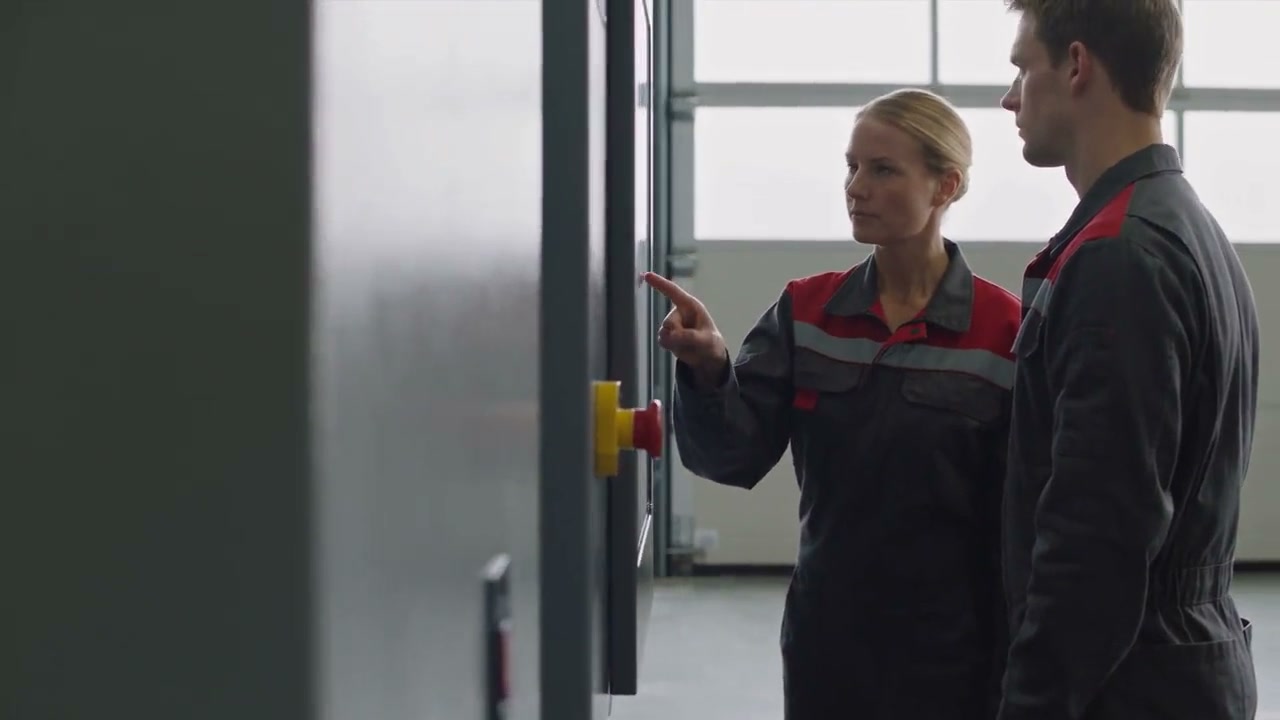
Occupational safety services
We support your business with occupational safety training, risk assessments, construction safety and health plans, preparation for machinery commissioning and workplace accident investigations. We tailor documentation and ongoing occupational safety services to the work actually carried out.
Who we work with
For employers, business managers, site managers, contractors and institutions with one or several workplaces.
What the work delivers
- Defined occupational safety tasks
- A review of work processes, sites, machinery and existing records, with recommendations for action suited to the risks identified.
- Practical documents and training
- Preparation and discussion of the commissioned risk assessment, safety policy, construction safety and health plan, personal protective equipment arrangements or training material.
- Traceable professional support
- Agreed involvement in commissioning, technical inspections, accident investigations and regular workplace reviews, with documented findings.
Occupational safety training connected to everyday work
Well-structured occupational safety training starts with employees’ own tasks. An office worker, a warehouse materials handler and an installer working on a construction site need to be prepared for different hazards. We deliver occupational safety training with content based on job roles, work equipment and site conditions, so participants can recognise the situations discussed in their own work.
When preparing induction, repeat training or instruction associated with a change, we agree who will attend, the theoretical and practical knowledge to be covered, and the records to be kept. Topics may include safe machinery use, circulation routes, materials handling, protective equipment and reporting unusual events. We also incorporate previous experience, employees’ questions and changes to work processes into the training material.
Organising training and maintaining traceable records
For several sites or shifts, we fit training groups and times around working arrangements. We agree whether theoretical training will take place on site or online once the task is understood; demonstrations of practical, machine-specific procedures are planned separately. Examples, opportunities to ask questions and checks on what participants have learnt support understanding.
Training records can link each session to its participants and the content covered. A traceable process can be established for either paper or electronic records. We clarify administration and any questions about classification as adult education and training according to the purpose and content of the particular programme. An attendance sheet alone does not show whether an employee has understood the information needed for their work.
Occupational risk assessment: general, chemical and biological risks
An occupational risk assessment reviews workplace hazards, the people affected and existing protective measures. We prepare general, chemical and biological risk assessments with content suited to the activities involved. We examine work processes, circulation, materials handling, work equipment and the working environment. Findings are linked to recommended actions so the employer can see which issues need urgent attention and what further information or investigation is needed.
Chemical risk assessment considers the substances used, safety data sheets, storage and the conditions in which materials are actually used. For biological risks, we examine the activities and contact situations in which different groups of employees may be exposed to hazards. The assessment brings together preventive measures, hygiene conditions and the specialist involvement needed.
When a new process, altered work area or change in material use is introduced, we review which earlier findings remain applicable. Where the assessment needs measurement results or an occupational health opinion, we identify this as a separate task. The documentation therefore also makes uncertainties and outstanding steps visible.
Construction safety and health plans
A construction safety and health plan, known in Hungarian as a BET, organises the safety considerations relating to the site and construction process. Preparing it requires an understanding of the work phases, site conditions, methods used and the activities of contractors working at the same time. Particular attention is given to situations in which one team’s activities affect another team’s work.
Fireeng develops the plan from the project information. We review movement around the site, materials storage, segregation, work at height, hazardous operations and preparation for emergencies. We discuss the plan with those involved in construction and relate changes to the affected work phases. Alongside drawings, the programme and a description of each contractor’s tasks are therefore useful when requesting a quote.
Occupational safety preparation and preliminary assessment for machinery commissioning
For new, relocated or modified machinery, the equipment documentation and the way it is used on site together establish the conditions for safe operation. When preparing the occupational safety aspects of commissioning, we review the machine’s identification, manufacturer’s documents, operating instructions, installation environment and associated work process. We also clarify the scope of the preliminary assessment and the specialists who need to be involved.
The site inspection may cover access, protective devices, the operator’s position, connections to circulation routes and organisational conditions for use. We document the findings, missing records and issues requiring resolution. The resulting material supports the employer’s commissioning decision. At the start of the commission, we clarify the different roles of the manufacturer’s conformity documentation, the site occupational safety assessment and periodic inspections.
Workplace accident and near-miss investigations
A workplace accident investigation aims to identify the circumstances leading to the event and help prevent similar cases. Fireeng assists in reviewing the available information, work process, work equipment, site conditions and organisational factors. We reconstruct the sequence of events by comparing information from several sources and distinguish documented facts from questions that still need clarification.
The outcome is accident documentation within the agreed scope and recommendations for preventive action. We provide professional support with reports, records and any notification needed in the particular case; responsibilities and submission arrangements are clarified with the employer. Analysing near misses, where no injury occurred, also helps identify recurring hazardous situations.
A short description that does not identify individuals is sufficient for the initial enquiry. Do not send medical records or an injured employee’s personal details through the website’s quote form; we will agree separately how the necessary information should be transferred.
Occupational safety policies, protective equipment and working from home
Occupational safety policies and related internal instructions are most useful when they describe how the employer actually operates. We record tasks, responsibilities, reporting channels and document management arrangements. When reviewing existing records, we identify missing or conflicting sections and discuss updates with the relevant managers.
Personal protective equipment arrangements
We relate the selection of personal protective equipment to job roles and the risk assessment. The arrangements make clear which protective properties each task requires and how equipment is issued, its use demonstrated, its condition checked and replacements provided. Eye, hearing, hand or respiratory protection, for example, is considered in the context of the specific work process. Compatibility between items and their suitability for the employee’s task also form part of the discussion.
Working from home and remote working
We assess the occupational safety aspects of home working in relation to the activities carried out. For office work, this includes the workstation layout, screen and seating positions, lighting, cables and the condition of the equipment used. We help establish arrangements for employer information and employee feedback. We agree the information needed to assess the work without collecting unnecessarily detailed information about the private home.
Periodic inspections and lifting equipment administration
We begin reviewing inspection needs by identifying the machinery and equipment in use. We gather available inspection records, known operating information and previous actions. This helps establish which inspections need to be prepared, what specialist involvement is required and how identified deficiencies can be tracked. Inspection types and dates are determined for the particular equipment.
Lifting and materials handling equipment
For lifting equipment, the starting information includes identification details, manuals, previous inspections, maintenance records and conditions of use. Alongside administration and preparation for inspections, we help organise the associated records. The commission identifies the specific inspection and the document to be delivered so the operator can keep track of the actions relating to each item of equipment.
Electrical safety, protection against electric shock and lightning protection
We review the need for electrical safety, protection against electric shock, lightning protection and related fire safety inspections in the context of the facility and its existing documentation. We identify the type of inspection and the specialist needed for the task, and agree how actions arising from the findings will be tracked. The findings of an occupational safety site review and those of a specific technical inspection are identifiable as separate documents.
First aid, rescue plans and emergency preparedness
When reviewing workplace first-aid arrangements, we consider the activities, employee numbers, shifts and locations of work areas together. We help clarify the preparation needed by designated people, first-aid supplies, access and arrangements for calling for assistance. Training also covers how employees should report an incident and whom they should contact.
When preparing a rescue plan, we consider emergencies relevant to the work, the people affected, how the alarm will be raised and how the response will be organised. The plan records clear roles and agreed actions; we also review arrangements for communicating the plan and preparing exercises with the employer. Rescue tasks need to reflect site conditions and the equipment available.
Where the task also involves fire procedures, we coordinate the occupational safety documentation with the fire emergency plan and related fire safety services. Reporting channels and site actions in the different documents need to connect in a way that people can follow.
Site reviews and ongoing occupational safety advice
During a one-off or regular occupational safety site review, we examine the work actually being carried out alongside the documentation. We relate findings to locations and tasks and recommend actions. At the next discussion, we return to the issues previously identified so it is clear which actions have been completed and where further decisions are needed.
Our occupational safety advice supports management decisions, internal checks and preparation for inspections by the authorities. Organised documentation and implemented actions together provide a useful picture of workplace conditions. Alongside exposing people to danger, inadequate training or an action left uncompleted may lead to operational disruption and action by the authorities. Reviews therefore focus on resolving the issues identified.
Coordination with occupational health services
We consider the need for occupational health involvement, medical fitness assessments and specialist measurements alongside the occupational safety tasks. We help organise the job-role and risk information needed for discussions and coordinate responsibilities between providers. Medical examinations and assessments of fitness for work are carried out by the occupational health provider; the handling of health information is separate from the website quote request.
For a one-off commission, we define the task and the materials to be delivered. For ongoing occupational safety services, we also record site involvement, communication, how changes will be reported and how actions will be followed up. In the quote form, choose “Fire safety and occupational health and safety services”, then select “Occupational health and safety” and the tasks required. You can describe any specific inspection or documentation needs in the task description.
In the task description, list the documents available and distinguish needs that differ between sites. We will clarify how documents should be transferred during the discussion with you.
Questions before you start
Can I commission a single occupational safety task?
Yes. Occupational safety training, a risk assessment, a construction safety and health plan, commissioning support or a workplace accident investigation can each be commissioned separately. We define the scope and deliverables in the quotation.
When is it useful to plan occupational safety training?
A training need may arise when an employee joins, a job role changes, or new machinery, processes or premises are introduced, as well as when reviewing experience and changing risks. We assess the specific obligations, any repeat training and the content in the context of the employer’s operations.
Can occupational safety training cover several sites and shifts?
Yes. Provide participant numbers for each location, shift patterns and requested languages. We organise occupational safety training around these details.
Can occupational safety training take place online?
We agree how to deliver the theoretical content based on job roles and the material to be covered. Online training also needs clear explanations, opportunities to ask questions and appropriate records. Instruction tied to the site, a machine or a practical task must be arranged separately.
How do technical inspections and occupational health relate to the service?
We include these needs in the initial assessment. The specific inspection, document and specialist involvement are defined separately; medical examinations are carried out by an occupational health provider. The occupational safety quotation makes clear which tasks and organisational arrangements are included in the commission.
Do I need to send employee names or health information?
Not for the initial quote. Alongside the contact person’s details, employee numbers, job groups and a description of activities are sufficient; do not send employee health information through the quote form.
Let’s discuss your project.
Tell us where the project stands and what decision you need to make. The quote request helps you organise the available information.
Request a quoteProfessional background
The following sources provide professional background. The requirements and scope of your project are assessed individually.
- EU-OSHA – What is risk assessment? Professional background
- EU-OSHA – How to carry out a risk assessment, professional background
- EU-OSHA – Dangerous substances, chemical and biological, professional background
- EU-OSHA – Safety and health at construction sites, professional background
- EU-OSHA – Accident investigation techniques, professional background
- EU-OSHA – Risk assessment and telework, professional background